
BUREAU OF MINES
RALEIGH, NORTH CAROLINA
Completed | 2021
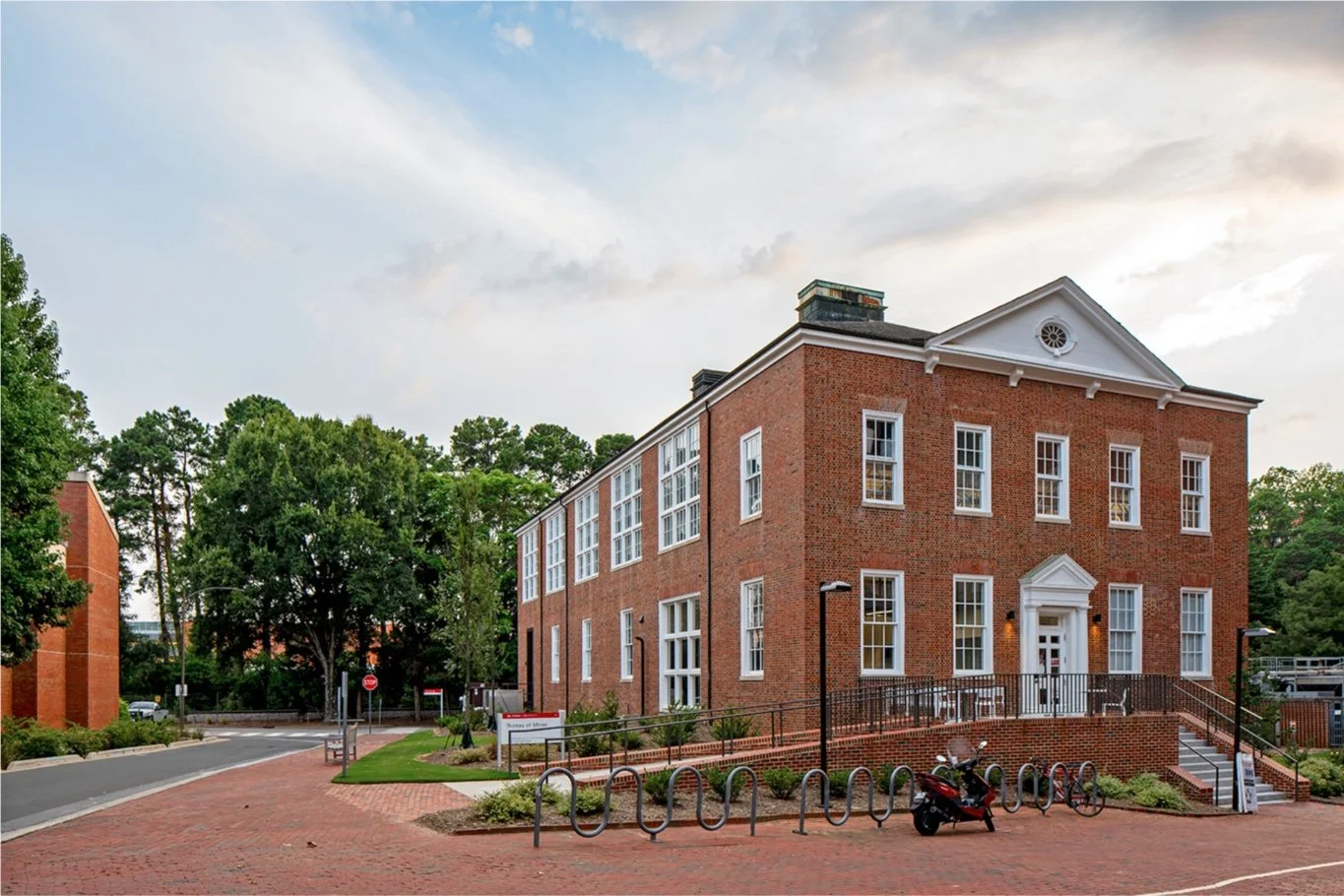
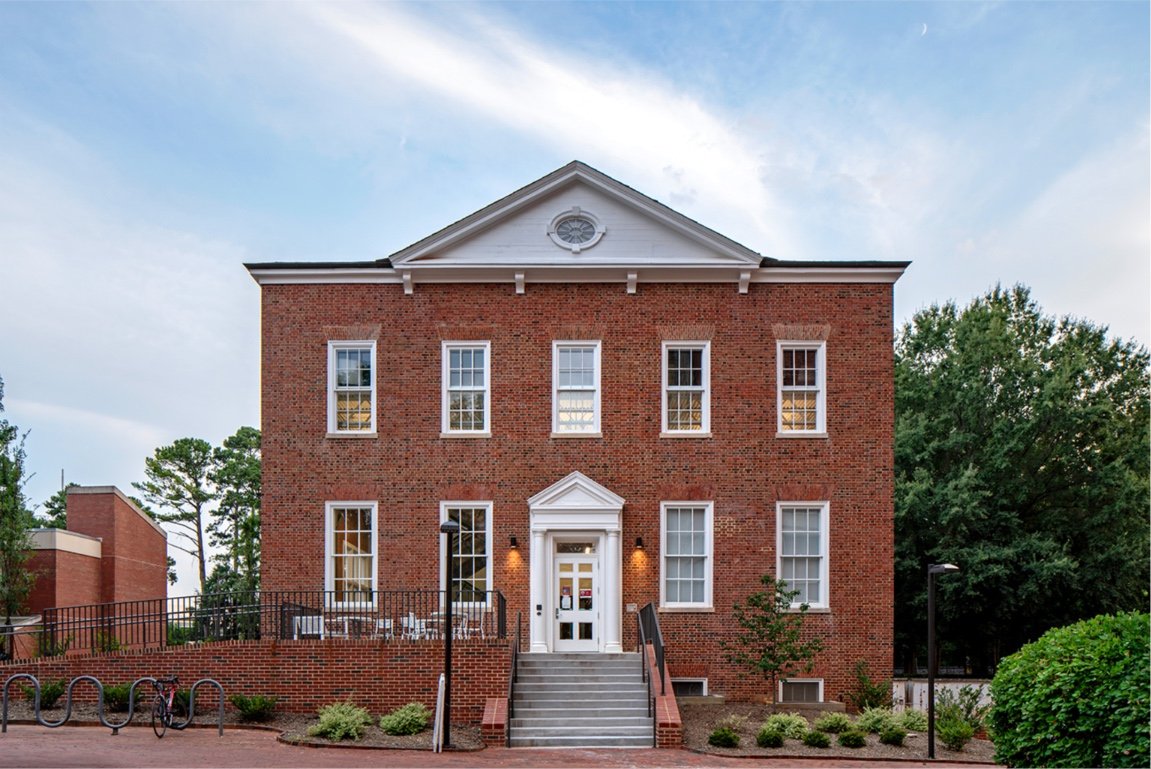
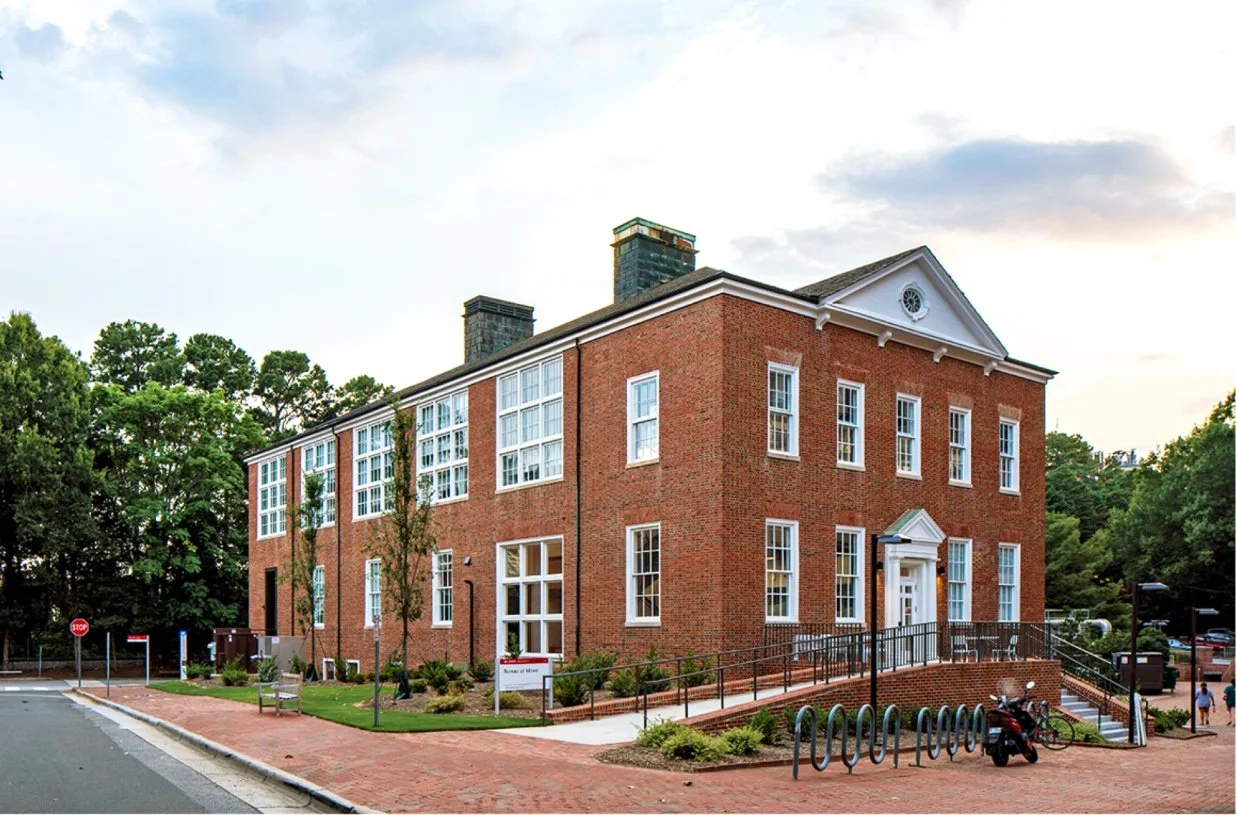
Originally constructed in 1945, the Bureau of Mines Building served as a research facility for the U.S. Bureau of Mines, supporting the mining, quarrying, and metallurgical industries. Its distinctive high-bay structure housed a large industrial furnace, laboratories, and staff facilities. Over the decades, the building adapted to a variety of uses, including housing North Carolina State University's first nuclear reactor in the late 1950s before later serving as an office and research space. Located along the heavily traveled All Campus Path near the Free Expression Tunnel, the building occupies a prominent position within NC State's North Campus and remains an important part of the university's architectural heritage.
The renovation transformed the underutilized historic structure into the new administrative home for the College of Sciences. The project began with a comprehensive evaluation of the building's existing conditions, infrastructure, and adaptive reuse potential. Through an extensive and collaborative stakeholder engagement process involving college leadership, department representatives, and campus planning officials, a program was developed to support the College's evolving needs while preserving the building's historic character.
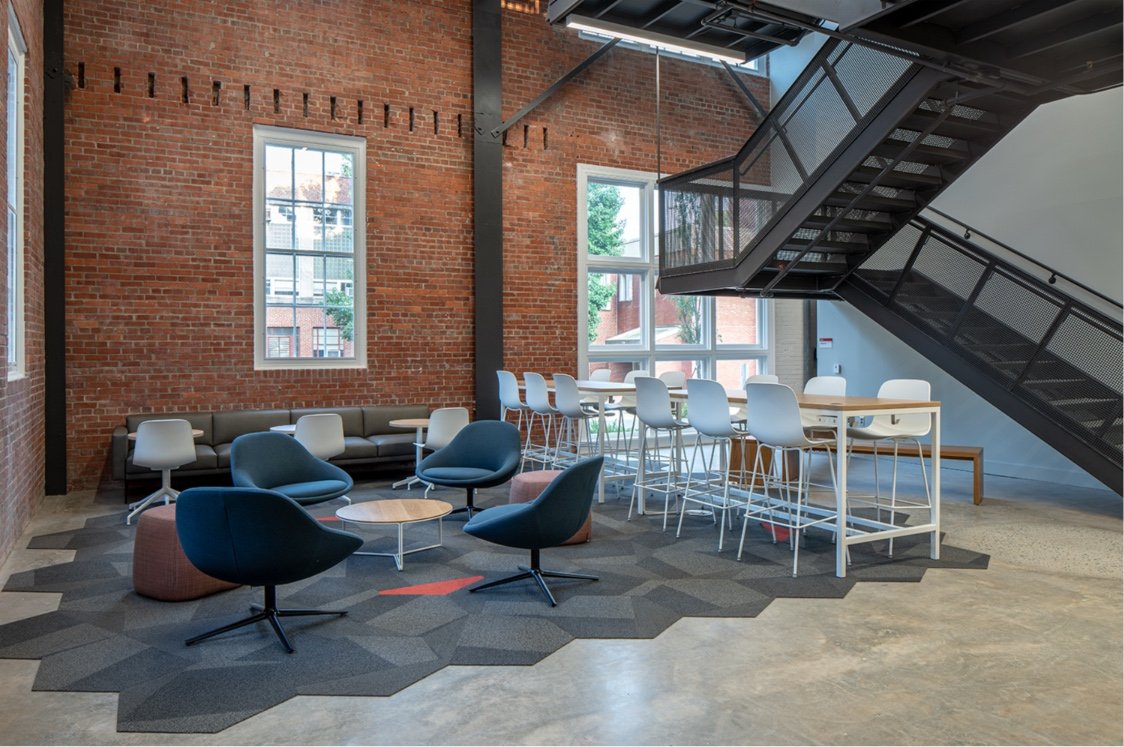
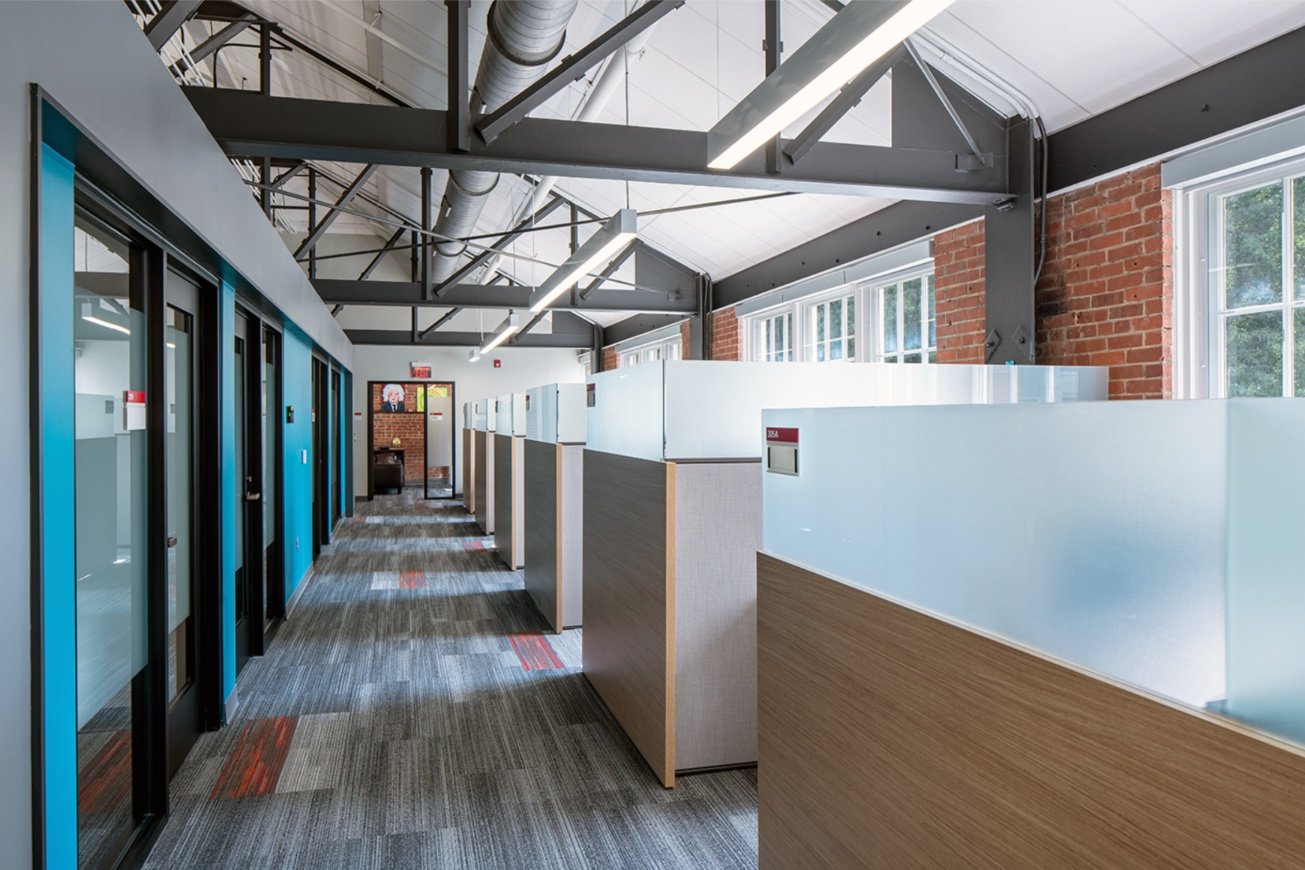
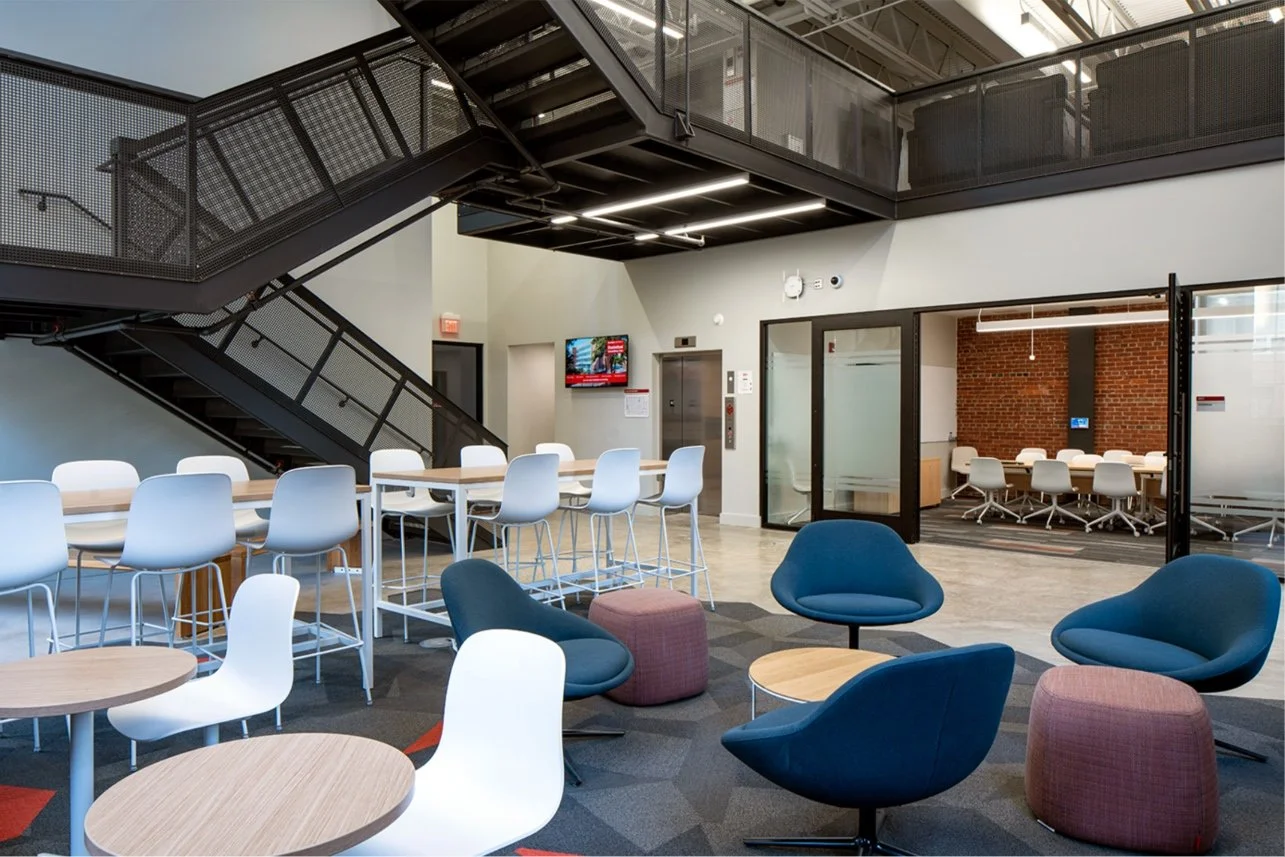
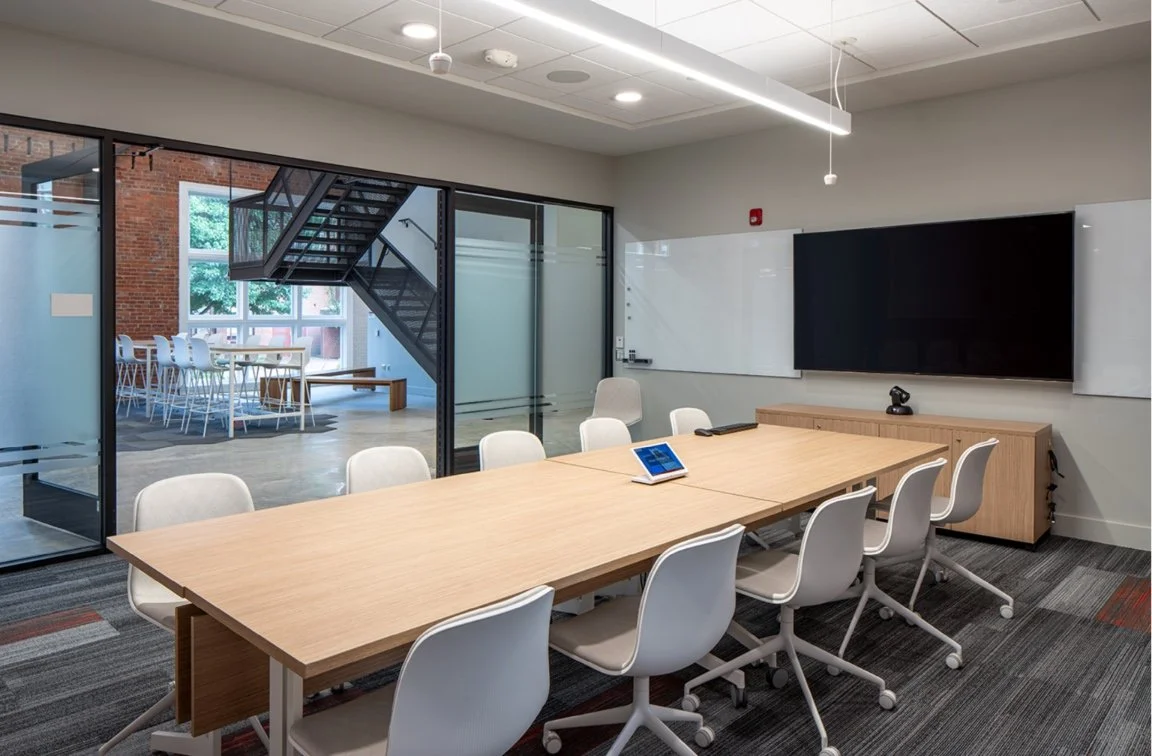
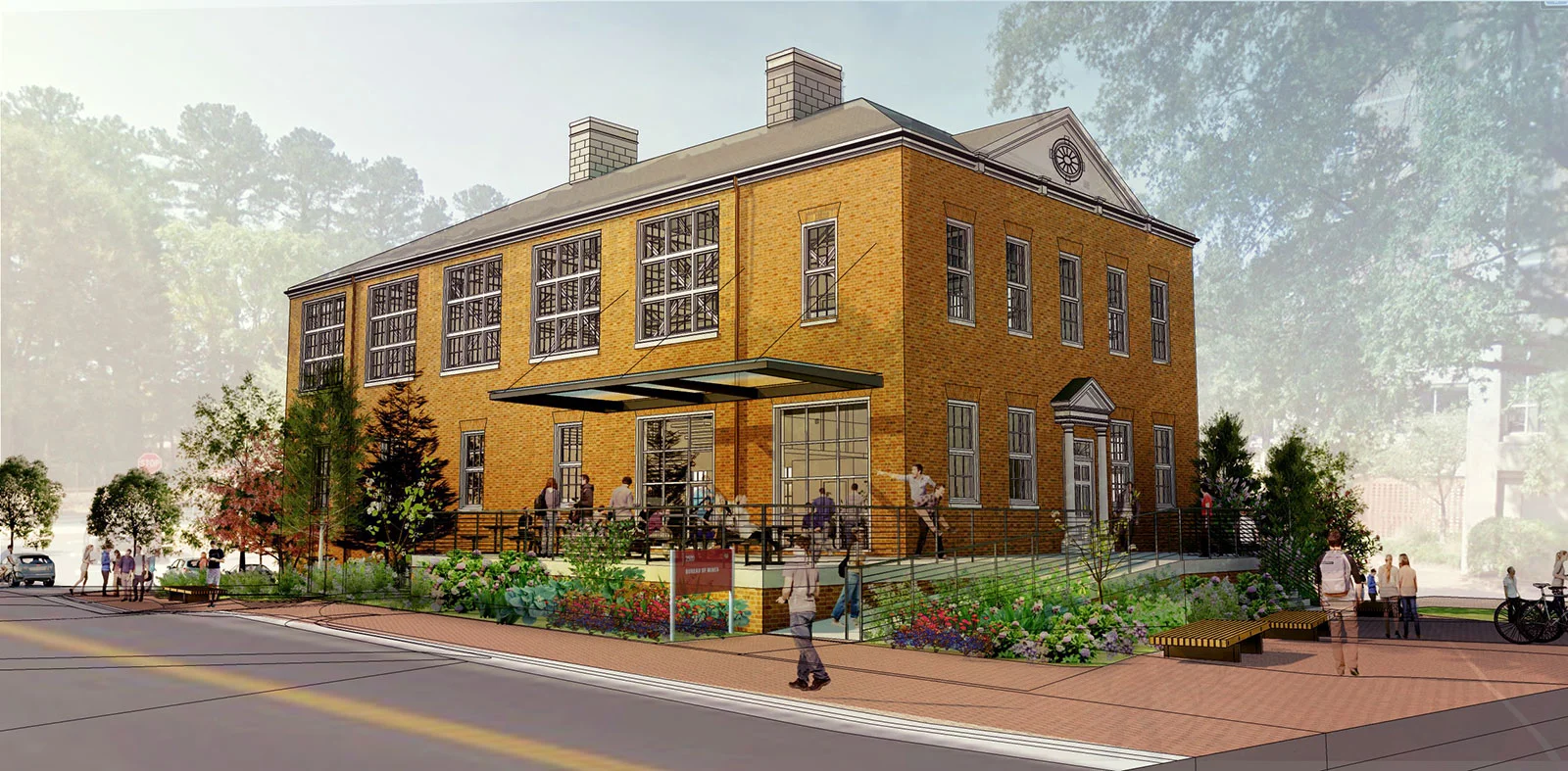
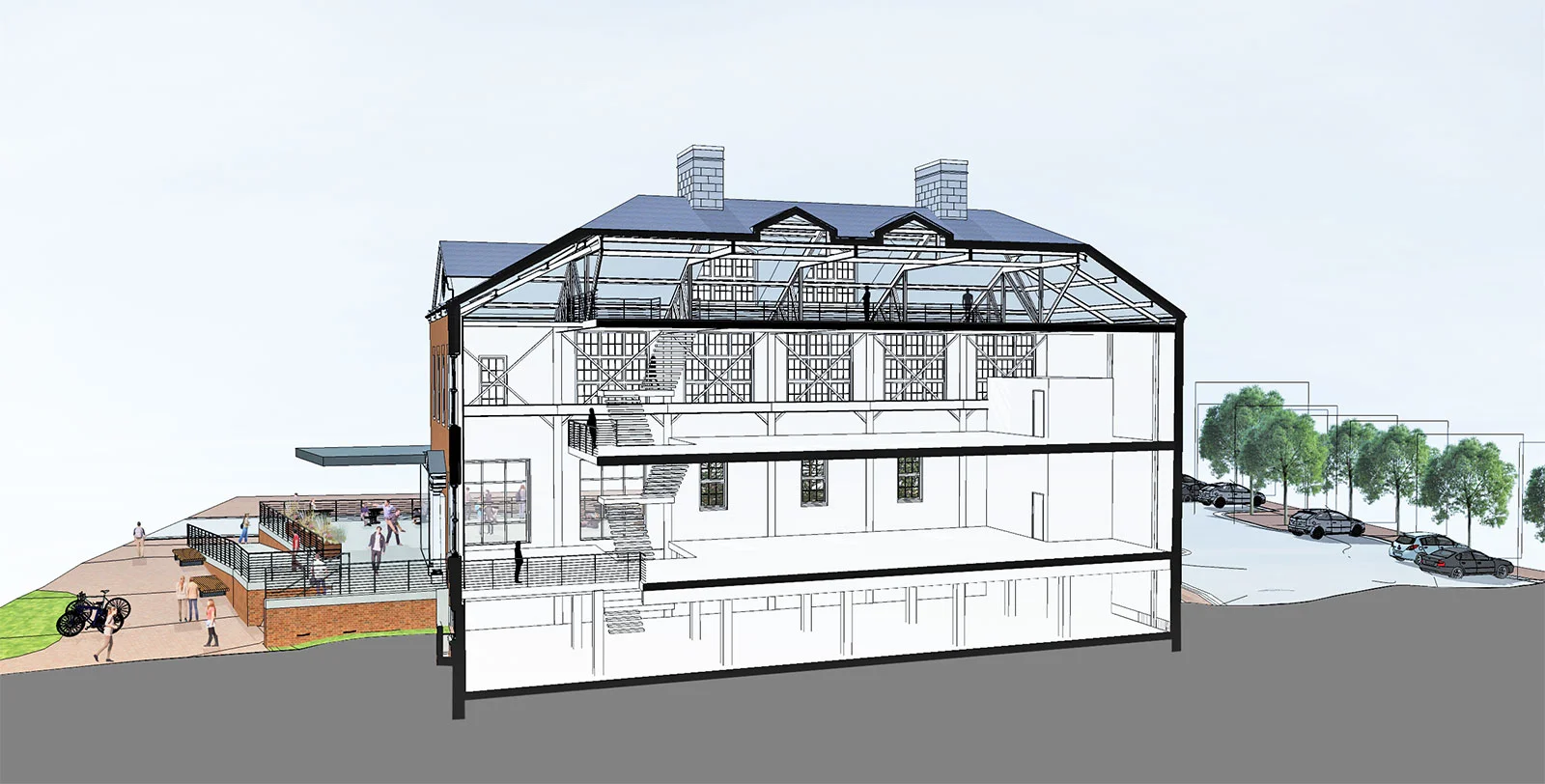
The completed renovation encompasses the building's lower, main, second, and third floors, creating a flexible workplace that accommodates a variety of work styles and functions. New offices, conference rooms, collaborative workspaces, and informal gathering areas support both administrative operations and community engagement. Key improvements included the addition of an ADA-accessible entrance sequence, elevator, and monumental stair, along with upgraded mechanical, electrical, life-safety, and accessibility systems. Throughout the project, original industrial features—including exposed brick, steel trusses, and concrete structure—were carefully preserved and celebrated, creating a modern, welcoming environment that honors the building's legacy while supporting the College of Sciences' future.